
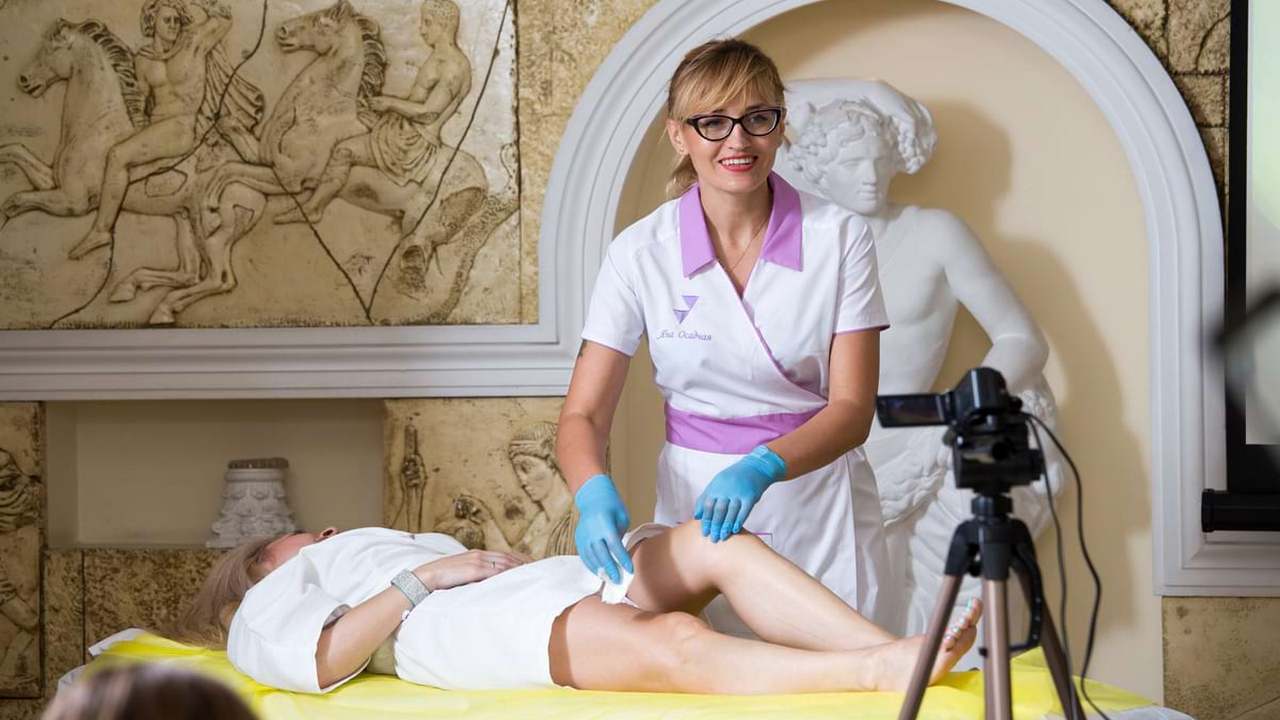
Epilepsy is a chronic neurological disorder in which the brain experiences repeated, excessive electrical discharges that cause seizures. There are many myths and fears surrounding this disorder, especially when it comes to cosmetic procedures. Can people with epilepsy do sugaring? Let’s find out.
What is epilepsy and how does it manifest itself?
Epilepsy manifests itself in seizures (fits), which may be accompanied by convulsions, loss of consciousness, confusion, a short-term “fall” from reality, and in some cases – simply a change in sensitivity or behavior. The frequency and form of seizures vary greatly among individuals: some have them every few years, while others have them regularly.
Modern medicine can effectively control epilepsy with medication, allowing patients to live a full life, including visiting cosmetologists and hair removal specialists.
Epileptic seizures occur suddenly and can be triggered by various factors, such as stress, lack of sleep, alcohol, and others.
Seizures can be generalized, when they affect the entire brain, or focal, when they begin in a specific area.
Some seizures may be accompanied by loss of consciousness, while others are not. In addition to convulsions and loss of consciousness, seizures can manifest themselves in the form of motor dysfunction, mental symptoms, and others.
Is epilepsy a contraindication to sugaring?
According to most guidelines and training manuals, epilepsy is indeed considered a contraindication for hair removal procedures, including sugaring, massage, and other beauty procedures. The main reason for this is the risk of triggering an attack due to pain, fear, stress, bright light, or other external stimuli.
However, in practice, everything is not so clear-cut. Many clients diagnosed with epilepsy consistently take medications, have not experienced seizures for a long time, and know their triggers very well. When epilepsy is perfectly compensated, a person with this diagnosis can live a practically full life. If certain safety rules are observed and the master is informed and knows the protocol for providing first aid during an epileptic seizure, the sugaring procedure is possible.
The client questionnaire is a mandatory step
In order for the sugaring master to have full information about the client’s health and be prepared for possible emergency situations, we recommend filling out a health questionnaire for each new client.
The following items must be filled in:
- chronic diseases;
- information about medications taken;
- the presence of active diseases, including epilepsy (if such a diagnosis has been made).
This is not just a formality. The questionnaire helps the specialist to be prepared for possible situations, as well as to adapt the approach to the client.
Important: If the client does not indicate the diagnosis, the specialist will not be responsible for his condition during the procedure. Therefore, we recommend that clients do not hide information about their illnesses in their own interests.
How to perform sugaring on clients with epilepsy?
If the client reported epilepsy, the specialist should:
- Clarify how long ago the last attack was, what caused it, whether there is any medication.
- Create the calmest possible atmosphere: soft light, comfortable temperature, no irritating odors or loud sounds.
- Work at a slow, relaxed pace, with the possibility of taking breaks.
- Avoid excessive pain – use appropriate techniques, treat sensitive areas with with caution.
- Be prepared to provide first aid in case of an attack.
First aid protocol for an epileptic seizure
If the client has an attack right during the procedure, it is important to remain calm and act according to the algorithm:
- Don’t panic. The master’s fear can only make the situation worse.
- Ensure safety: remove sharp and hard objects so that the client does not get hurt.
- Turn the head to the side if the person is lying down to avoid choking on saliva.
- Do not put anything in the mouth. This is a dangerous myth – a person will not swallow his tongue, and objects can only harm.
- Do not try to hold back the seizure.
- Place something soft under your head. This will help protect the back of your head during seizures.
- Loosen clothing: free your throat and chest to make breathing easier.
- Time the seizure. If it lasts more than 5 minutes, call an ambulance.
- After the attack, let the client rest quietly, offer water if necessary.
Still, is it worth performing the hair removal procedure for epilepsy in a client?
Formally, epilepsy is a contraindication to any beauty procedures for the client. However, each case is individual. If the client controls their condition, informs the master about the diagnosis, does not have frequent attacks and is ready for the procedure, sugaring is possible. The main thing is that the master should know how to act and be prepared for any scenario.
Thus, the diagnosis is not an absolute ban. After all, women and men with epilepsy also want to have smooth skin and get rid of unwanted hair. You need to be honest with your master, choose qualified sugaring masters who can provide first aid in the event of a sudden epileptic seizure, and then everything will be fine and safe.
Also in our blog you will find information about depilation on skin with features and some complications after sugaring, for example, urticaria after depilation. We always explain in detail the protocols of the procedure in such cases and provide an action plan in the event of emergency situations during the appointment.